Weaning Twins: How I Ended Our Combo Feeding Journey
Choosing when to wean is a very personal decision. I’m not going to tell you when to do that. However, if you’re considering dropping nursing/bottles, you’re in the right place.
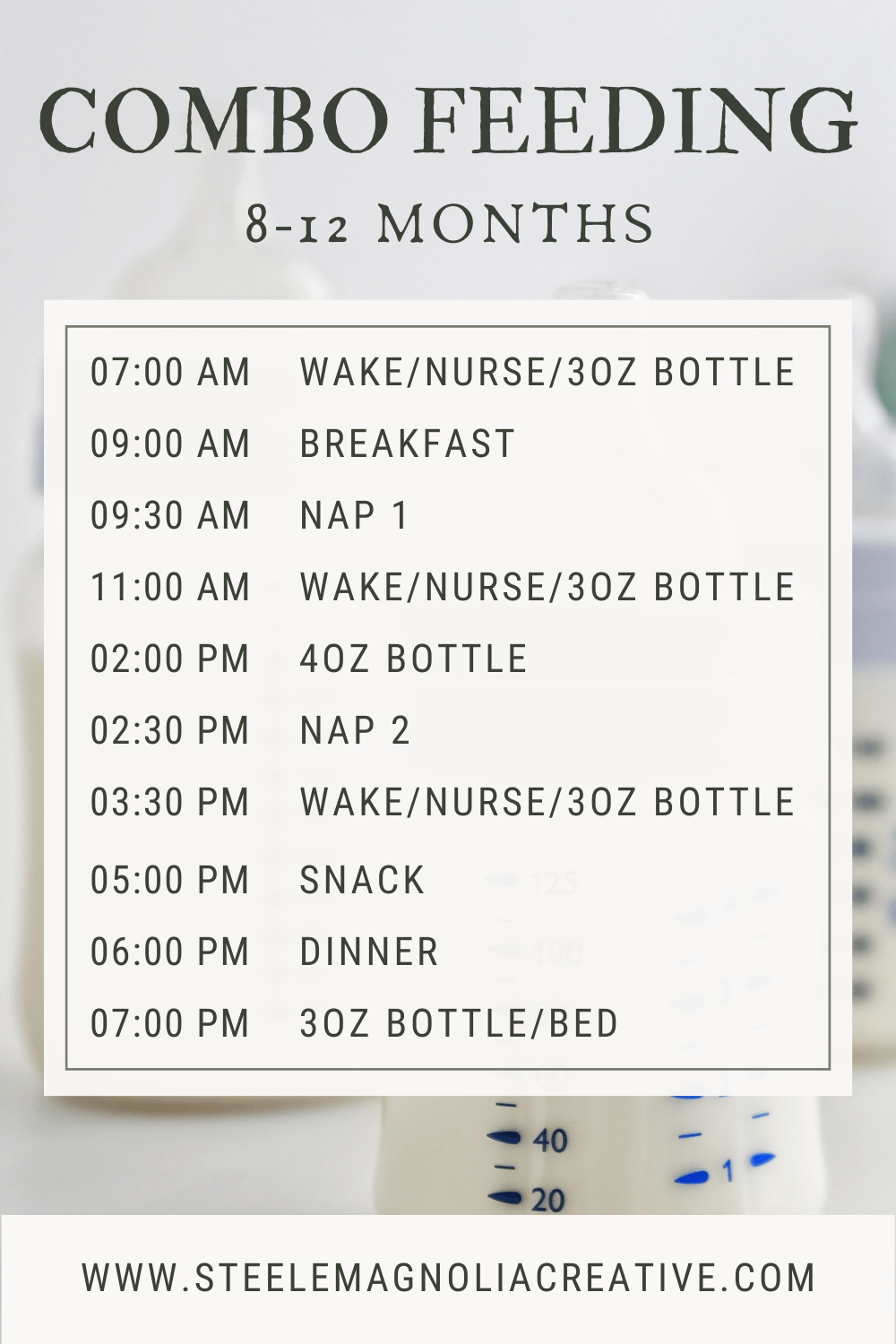
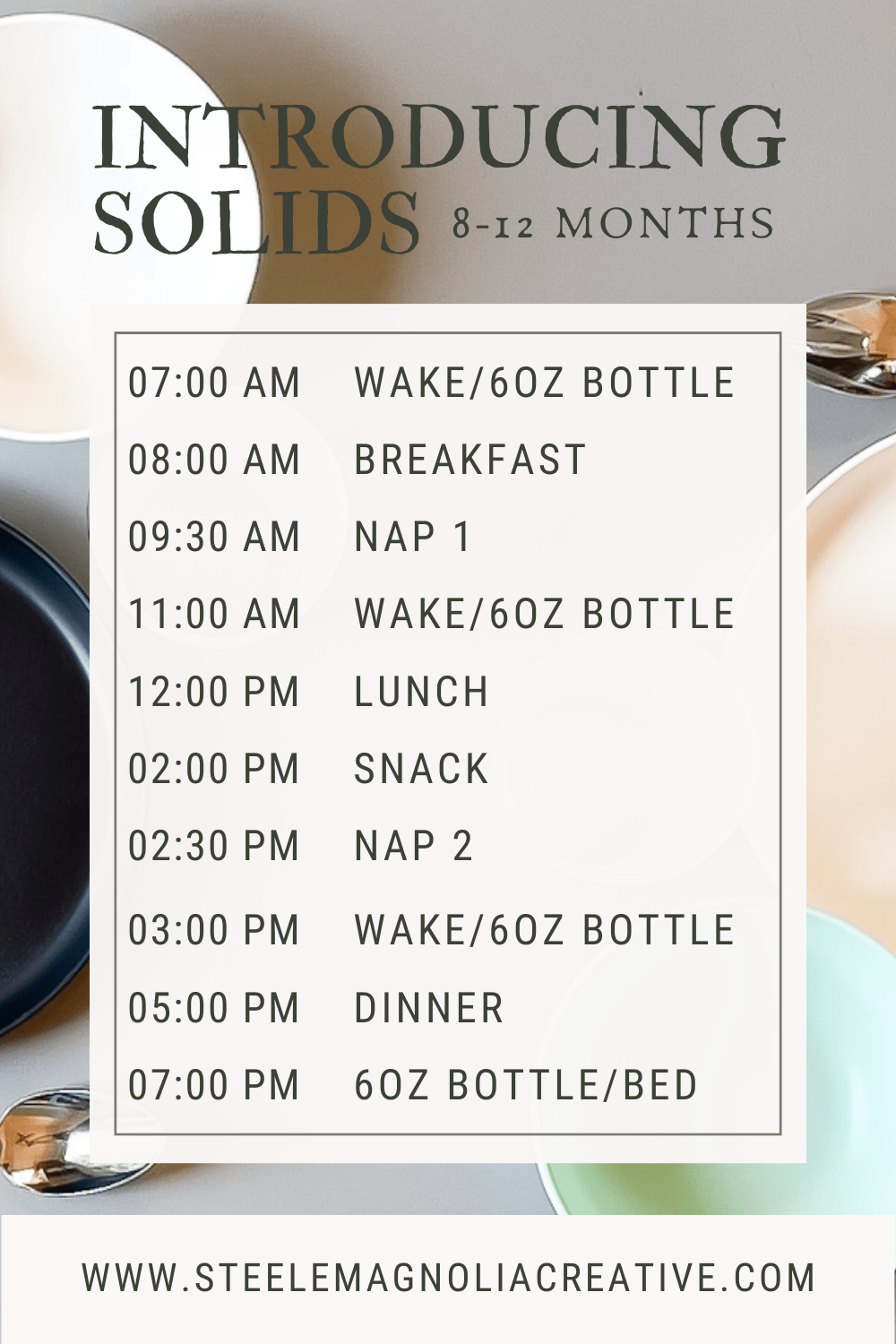
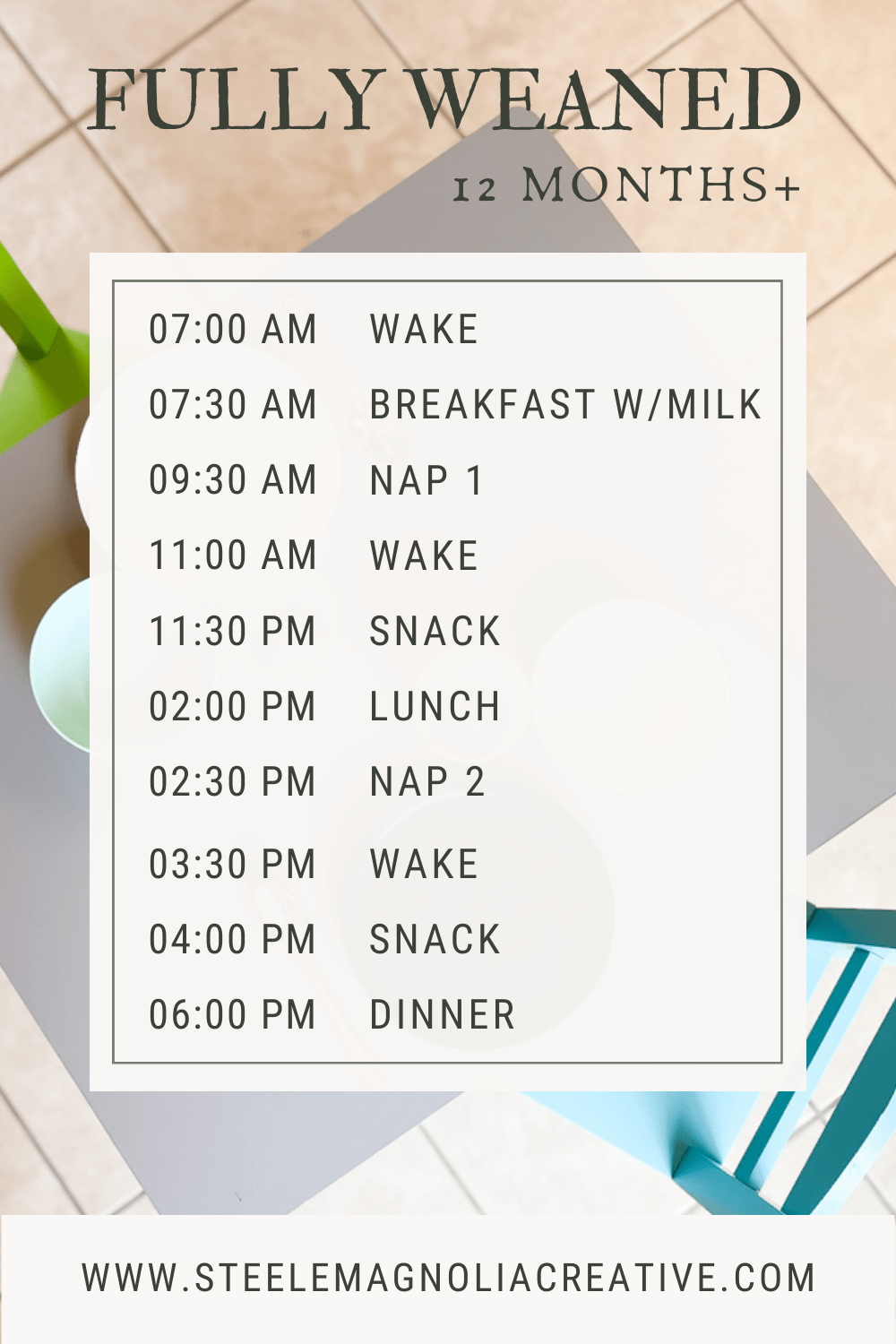
In this post, I share how I weaned my twins from breastfeeding at 11 months and phased out bottles by 13 months. I’ve included samples of our schedules from 8 to 12 months at each stage.
you might like these posts!
so when is it time to start weaning?
The biggest question breastfeeding mamas have when it comes to weaning is, when do you know it’s time?
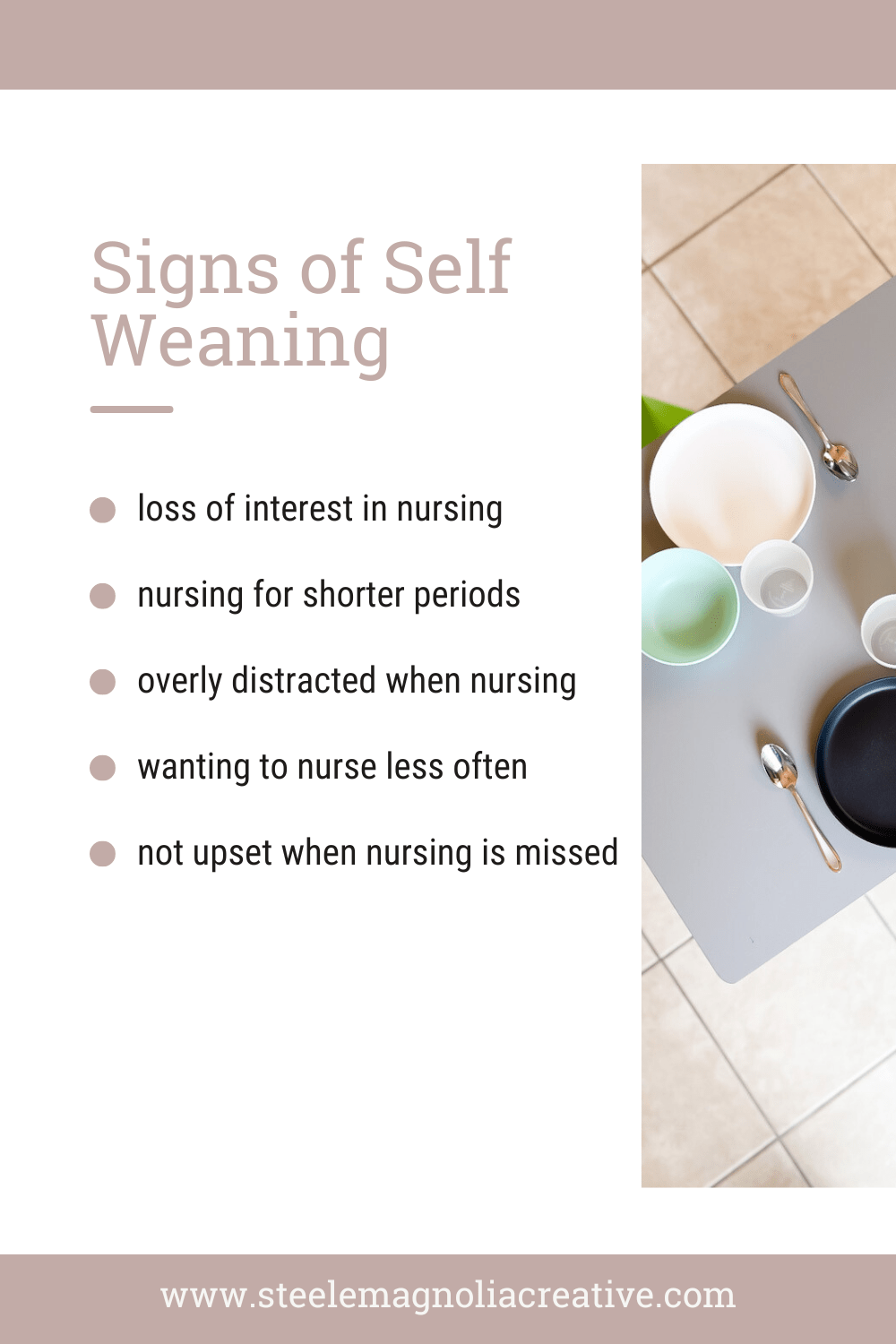
Sadly, there is no definitive answer here, but there are some signs a baby might be self-weaning from nursing.
Please note, these are not the end all be all, nor are they absolute. Typically these behaviors happen in older babies after starting solids.
There are also personal aspects of nursing you will want to consider when weaning, such as your mental health, comfort, and readiness.
I’ve shared a bit about my postpartum depression regarding my breastfeeding journey. Working through my obsessive behaviors helped me to let go and recognize when I was ready to stop breastfeeding.
Breastfeeding became less enjoyable for me as the boys began to bite more often while teething, become more distracted causing them to pull without detaching, and absent-mindedly pinching sensitive areas throughout.
Your needs are just as important, mama. Don’t forget to take them into account.
the beginning of the end - 8 months
Weaning my boys from breastfeeding was, ironically, the most natural progression of our journey. After fighting so hard to breastfeed, having such a peaceful close to the chapter felt good.
Nursing became just another part of starting the day, like diaper changes, and didn’t make me feel like I was connecting any more than any other activity.
It was clear we were all ready.
We started month 8 with 3 scheduled tandem nursing sessions and carte blanche on comfort nursing.
Most of my nursing was done on the floor using the Twin Z nursing pillow. The boys would usually crawl over or sit next to me as I got myself strapped in.
After nursing, I propped the boys in the Twin Z and handed them their bottles which they held themselves.
using formula to assist weaning breastfeeding
I’m not saying that you should begin weaning by introducing formula. This is for the mamas that are already combo feeding with formula.
By 8 months, solids became a more prominent part of our daily routine, making combo feeding more challenging. I had already given up pumping, so offering bigger bottles in place of nursing sessions made the most sense for balancing the feeding schedule.
Exclusively formula-fed babies need 24 ounces of formula daily even after starting solids. Since I was nursing, I offered 16 ounces of formula spread throughout the day.
I replaced one nursing session with a 5-ounce bottle every two weeks starting mid-day, then the evening, and finally the morning.
Eventually, I spread the ounces over 4 feedings with 3 meals and 2 snacks in between.
weaning bottles with the help of straw cups
We now had established a full day’s worth of meals scheduled around 2 naps, but this was only for exposure, practice, and routine building. “Food before one is just for fun,” as they say.
I was offering a couple of ounces of water in a straw cup at mealtimes to get the boys used to drinking out of something other than a bottle. After the boys’ first birthday, I gave whole fat cow’s milk at breakfast and water during other meals, including snacks.
Initially, I decreased bottle sizes by an ounce or two as the boys began eating more full meals. Next, I removed one bottle every few days, starting with mid-day bottles, then the morning, and finally the evening bottle before bed.
The boys were no longer taking bottles by 13 months.
No-spill straw cups of water were available all day long, not just during mealtimes, to keep the boys hydrated.
final takeaways from our weaning journey
Slow and steady seems to be the winning combination when it comes to weaning.
With nursing and bottles, the gradual decrease and elimination over time while increasing other forms of nourishment and comfort allowed the boys to adjust without complaint.